

Events & Reports (Disaster Relief)
Mon Relief Distribution Report (3rd August 2026)
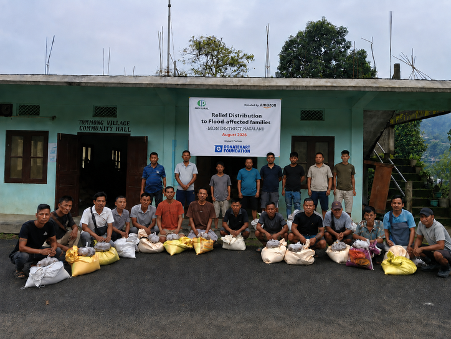
Date: 3rd August 2026 Location: Mon District, Nagaland Activity: Emergency Relief Distribution…
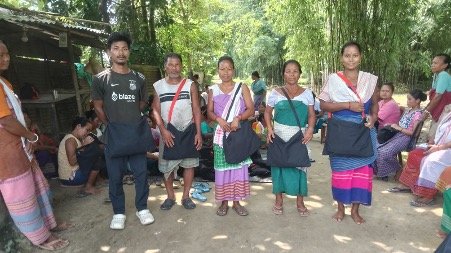
Distribution Dates: 7–8 September 2026
Total Beneficiaries: 250 families
Villages Covered: 4
Implementing Partner: Pro Rural Organisation
Supported by: DonateKart
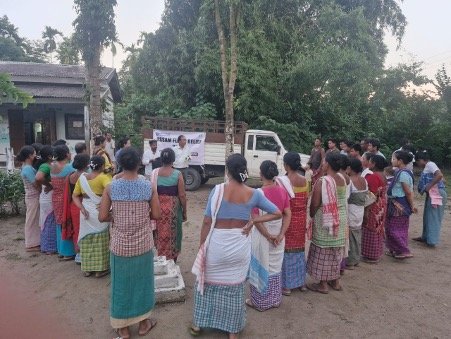
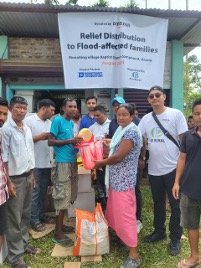
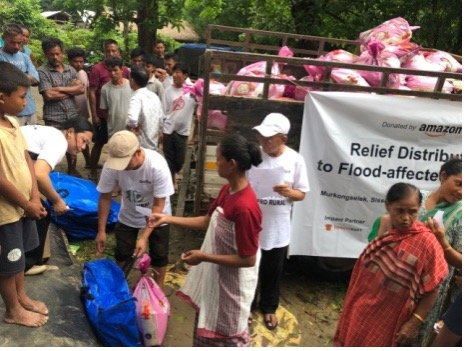
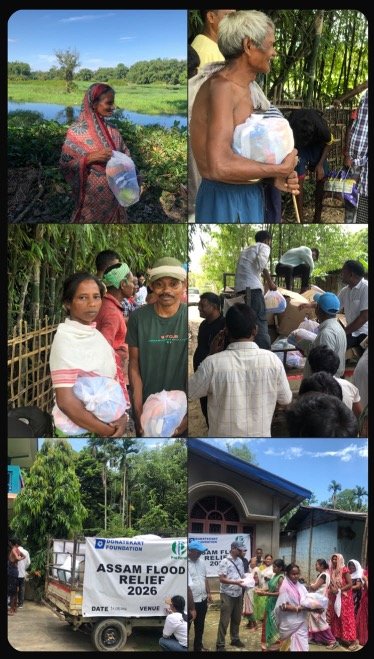
In response to the impact of the recent floods in Dhemaji District, Assam, Pro Rural Organisation, with support from DonateKart, undertook a targeted hygiene kit distribution intervention on 7 and 8 September 2026.
The intervention reached 250 flood-affected families across four villages. Beneficiaries were identified through a needs-based assessment, with priority given to families whose living conditions, household resources and access to essential hygiene and sanitation items had been significantly affected by the floods.
The distribution was designed to address an immediate and often overlooked consequence of flooding: the deterioration of personal hygiene and sanitation conditions. Prolonged exposure to contaminated floodwater, damp living environments, limited access to clean water and loss of essential household items can significantly increase the risk of skin infections and other hygiene-related health concerns.
During the assessment and distribution process, the field team observed that several affected families were experiencing skin-related problems, with women and other vulnerable members of households particularly affected. The availability of hygiene materials was therefore considered an important immediate support for affected families as they continued their recovery.
Through this intervention, Pro Rural, supported by DonateKart, sought to provide practical assistance to affected families while contributing to improved hygiene, dignity and household-level recovery following the floods.
Dhemaji is among the flood-prone areas of Assam, where recurring flooding can severely disrupt household livelihoods, shelter, sanitation, access to essential commodities and community infrastructure.
Following the recent flood situation, many families in the affected areas experienced disruption to their normal living conditions. Floodwater and prolonged waterlogging affected household environments, while essential items required for maintaining personal and family hygiene were either damaged, contaminated or lost.
For families already facing economic and livelihood-related challenges, replacing these essential items can be difficult, particularly immediately after a disaster.
Recognising this need, Pro Rural Organisation, in partnership with DonateKart, facilitated the distribution of hygiene kits to selected flood-affected households in Dhemaji.
The intervention builds upon Pro Rural’s ongoing engagement in disaster response, community mobilisation, needs assessment and relief distribution, with a focus on reaching vulnerable households with essential relief materials in a timely and dignified manner.
The hygiene kit distribution was undertaken with the following objectives:
| Particular | Details |
| District | Dhemaji, Assam |
| Intervention | Flood Relief – Hygiene Kit Distribution |
| Distribution Dates | 7–8 September 2026 |
| Total Beneficiaries | 250 families |
| Villages Covered | 4 |
| Implementing Partner | Pro Rural Organisation |
| Supporting Partner | DonateKart |
| Beneficiary Selection | Needs and flood-impact based |
| Primary Focus | Hygiene, dignity and immediate household recovery |
A key component of the intervention was ensuring that assistance reached families with genuine and immediate needs.
Rather than adopting a blanket distribution approach, beneficiaries were identified based on their living conditions and the extent of the impact experienced following the floods.
The field team considered factors such as:
This needs-based approach helped Pro Rural ensure that the available relief materials were directed towards families who required them most.
One of the significant observations made during the field-level engagement was the presence of skin-related health concerns among several flood-affected families.
Following flooding, families may remain exposed to damp surroundings, contaminated water, mud and inadequate sanitation facilities for extended periods. These conditions can increase vulnerability to various skin-related problems.
The field team particularly observed concerns among women and other household members, highlighting the importance of hygiene support during the post-flood recovery period.
For many families, access to basic personal hygiene materials becomes difficult after a disaster because household supplies may have been washed away, damaged or contaminated. Women can face additional challenges when access to personal hygiene products is disrupted.
The hygiene kits therefore served not only as relief materials but also as an important dignity and protection measure, enabling affected families to maintain basic personal hygiene during a challenging period of recovery.
Important note: The field observations regarding skin problems are community-level observations and should not be interpreted as medical diagnoses. Families requiring medical attention should be referred to appropriate health services.
The distribution was carried out over two days, 7 and 8 September 2026, covering four flood-affected villages and reaching a total of 250 families.
The Pro Rural field team coordinated the distribution process with local stakeholders and community representatives to facilitate the identification and mobilisation of eligible beneficiaries.
The process broadly involved:
Community coordination → Needs identification → Beneficiary verification → Mobilisation → Hygiene kit distribution → Documentation and feedback
Efforts were made to ensure that the distribution was conducted in an organised and transparent manner, while maintaining a respectful and dignified approach towards the affected families.
The hygiene kits provided immediate practical assistance to families who were in the process of rebuilding their household routines following the floods.
For affected households, the availability of essential hygiene materials reduced the immediate burden of having to purchase these items at a time when many families were already dealing with disruption to livelihoods and household resources.
The intervention also helped reinforce awareness around the importance of maintaining personal and household hygiene during the post-flood recovery period.
The engagement with beneficiaries provided Pro Rural with an opportunity to understand some of the continuing challenges faced by families beyond the immediate flood impact, particularly in relation to hygiene, sanitation, health concerns and household recovery.
Pro Rural Organisation served as the implementing partner for the intervention, taking responsibility for the field-level planning, coordination and implementation of the relief activity.
Key responsibilities included:
The intervention reflects Pro Rural’s continued commitment to supporting vulnerable communities through community-based disaster response and recovery interventions.
DonateKart supported the relief intervention by facilitating the provision of hygiene relief materials for flood-affected families.
The partnership enabled Pro Rural to respond to an identified and immediate community need by making essential hygiene supplies available to families who had been affected by the floods.
The collaboration between DonateKart and Pro Rural demonstrates the value of coordinated humanitarian response, where relief resources can be connected with local implementing capacity to reach affected communities effectively.
The intervention resulted in the following immediate outcomes:
While the distribution addressed an immediate need, the field engagement indicated that affected families may require continued support as they move from emergency response towards recovery.
Some of the key areas requiring continued attention include:
Families experiencing persistent skin problems or other health concerns may require access to appropriate medical consultation and treatment.
Continued access to safe water, sanitation facilities and hygiene awareness remains important in flood-affected communities.
Families whose household assets were damaged or lost may require additional support to restore their basic living conditions.
Where floods have affected agricultural activities, livestock, small businesses or daily wage opportunities, livelihood recovery assistance may be required.
Women and vulnerable household members may require targeted support, particularly for personal hygiene and other essential needs during prolonged recovery.
Based on the field observations, the following areas may be considered for future interventions:
The hygiene kit distribution conducted on 7 and 8 September 2026 in Dhemaji, Assam, provided timely support to 250 flood-affected families across four villages.
Implemented by Pro Rural Organisation with support from DonateKart, the intervention responded to an immediate and essential need identified through field-level assessment.
Beyond providing material assistance, the intervention highlighted the continuing challenges faced by flood-affected families, particularly concerning personal hygiene, sanitation and skin-related health concerns.
The experience reaffirmed the importance of needs-based and community-centred disaster response. While immediate relief remains essential, continued engagement with affected communities is equally important to identify emerging needs and support the transition from emergency relief towards sustainable recovery.
Pro Rural Organisation sincerely acknowledges the support of DonateKart in enabling this intervention and extending essential assistance to families affected by the floods in Dhemaji. The collaboration has helped bring timely support to households during a period of significant vulnerability and contributed to restoring basic hygiene, dignity and wellbeing within the affected communities.
Events & Reports (Disaster Relief)
Events & Reports (Disaster Relief)
Events & Reports (Disaster Relief)
Events & Reports (Disaster Relief)