

Events & Reports (Disaster Relief)
Dhemaji Hygiene Report (Sep 7-8, 2026)
Dhemaji District, Assam Distribution Dates: 7–8 September 2026Total Beneficiaries: 250…
Location: Dhemaji District, Assam
Date of Distribution: 7 and 8 July 2026
Coverage: 30 villages
Relief Materials Distributed: 1,000 Shelter Kits and 1,000 Ration Kits
Implementing Organisation: Pro Rural Organisation
Supporting Partners: DonateKart and Amazon
Dhemaji district in Assam is highly vulnerable to recurring floods, which often result in displacement, damage to homes and disruption of essential services and livelihoods. Flood-affected families, particularly those living in vulnerable and remote communities, face immediate challenges in accessing food, safe shelter and basic household necessities.
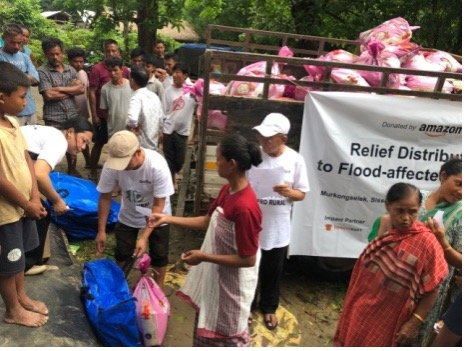
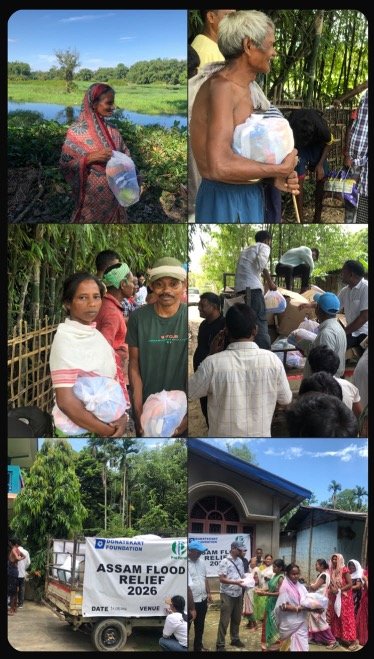
In response to the situation, Pro Rural Organisation, with the support of DonateKart and Amazon, undertook a relief distribution initiative to provide immediate assistance to families affected by the floods across 30 villages in Dhemaji district, Assam
The intervention focused on addressing two of the most immediate needs reported by affected communities: access to essential food supplies and basic shelter-related materials.
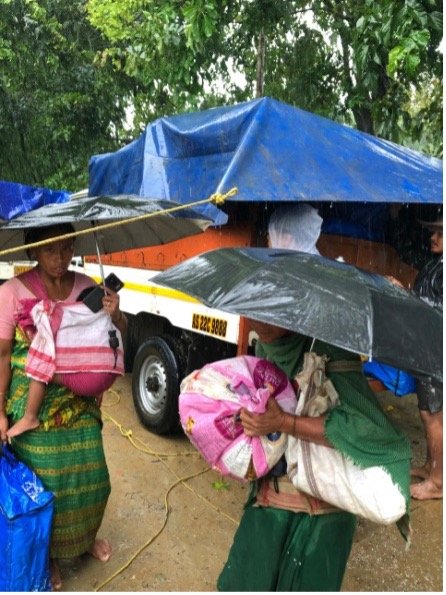
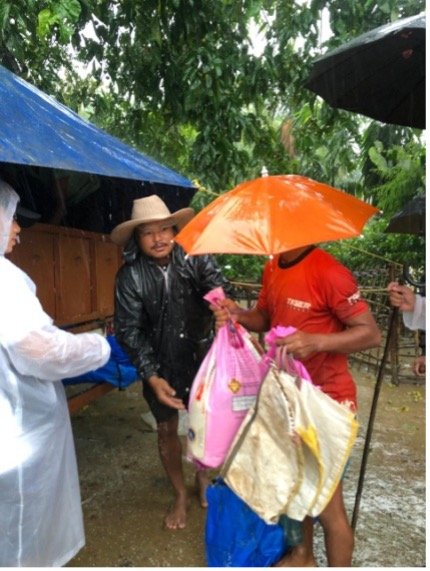
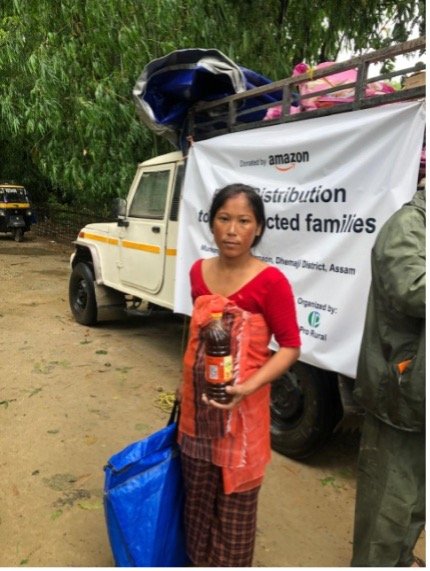
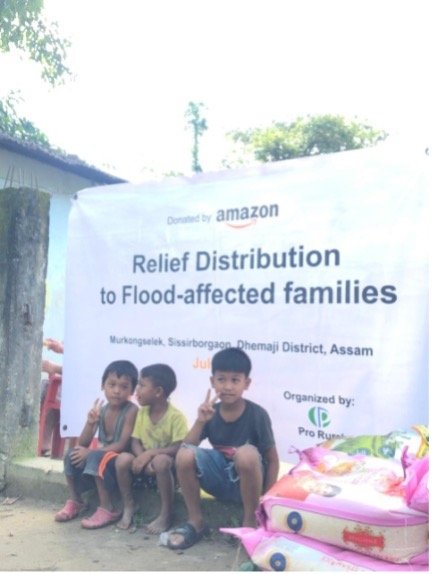
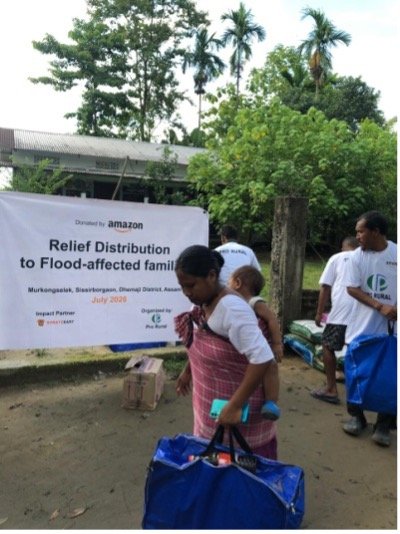
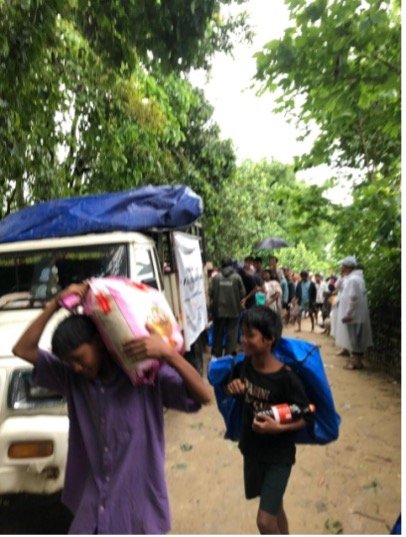
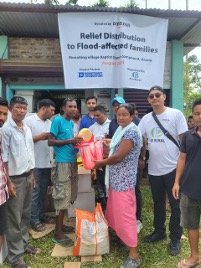
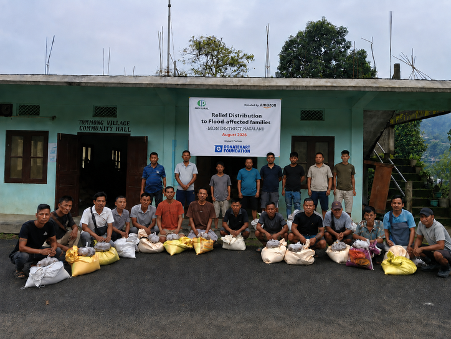
As part of the emergency response, a total of 1,000 Shelter Kits and 1,000 Ration Kits were distributed among flood-affected families across 30 villages in Dhemaji.
The relief materials were intended to support families who had experienced disruption to their normal living conditions due to the floods. The ration kits provided essential food supplies to help families meet their immediate nutritional needs, while the shelter kits provided basic materials to support temporary living arrangements and recovery.
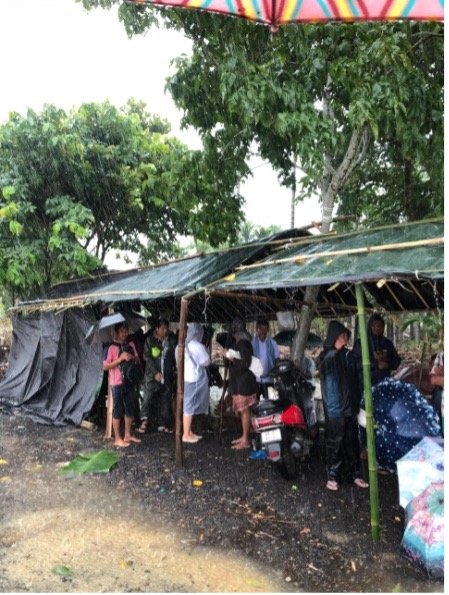
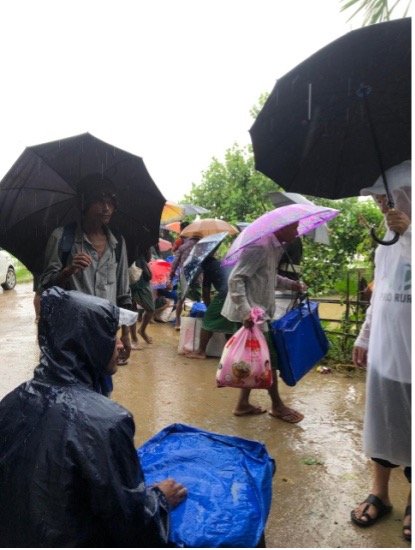
The distribution was implemented by the field team of Pro Rural Organisation, with coordination and logistical support from local stakeholders and community representatives to ensure that the relief reached families most in need.
The intervention covered 30 flood-affected villages, enabling relief assistance to reach communities across a wider geographical area.
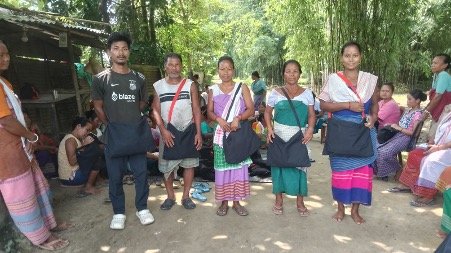
Particular attention was given to families who had been directly affected by the flooding, including households whose homes and daily livelihoods had been disrupted. Community-level coordination helped the field team identify beneficiaries, organise the distribution process and ensure that the relief materials reached the intended households in an orderly and transparent manner.
The extensive village-level coverage was important in reaching families who may otherwise face difficulties accessing relief assistance due to distance, damaged roads and disrupted transportation.
The 1,000 ration kits were provided to affected households to address immediate food-security concerns.
For many families, flooding can interrupt access to markets, affect household food stocks and temporarily limit their ability to earn an income. The ration support therefore served as an immediate buffer, helping families meet their basic food requirements while they began recovering from the impact of the disaster.
The distribution also reduced the immediate financial pressure on vulnerable households, allowing limited household resources to be directed towards other urgent needs such as repairing homes, replacing damaged belongings and restoring livelihoods.
Alongside food assistance, 1,000 shelter kits were distributed to support families whose living conditions had been affected by the floods.
Shelter support is particularly important during and immediately after a flood, when homes may be partially damaged, household belongings may be lost and families may have to temporarily adapt their living arrangements.
The shelter kits provided families with essential materials to strengthen or maintain temporary living spaces and offered a degree of safety, dignity and protection during the recovery period.
Pro Rural Organisation played a key role in the field-level implementation of the relief response. The organisation coordinated with local communities, facilitated beneficiary outreach and supported the transportation and distribution of relief materials across the 30 villages.
The field team’s presence helped ensure that the intervention was responsive to the realities on the ground and that the distribution process remained organised and community-focused.
The initiative also reflects Pro Rural’s commitment to responding to emergencies not only through immediate material assistance but also by being present with affected communities during difficult periods.
The relief response was made possible through the support of DonateKart and Amazon, whose contribution enabled essential relief materials to reach communities affected by the floods.
The partnership demonstrates the importance of collaboration between civil society organisations, corporate supporters and relief platforms in responding quickly to humanitarian emergencies.
Through this collaborative effort, resources were converted into timely assistance for families who needed immediate support, helping strengthen community resilience during the post-flood recovery period.
The relief intervention resulted in the following key outcomes:
Beyond the distribution of relief materials, the intervention provided an important sense of support and solidarity to families affected by the floods.
For households that had experienced disruption to their homes, food supplies and livelihoods, receiving essential relief items offered immediate practical assistance while also reinforcing the message that they were not facing the crisis alone.
The presence of the Pro Rural team at the community level also created an opportunity to understand the concerns and challenges faced by affected families. Such field engagement is valuable for identifying emerging needs and informing future recovery and resilience-building interventions.
The distribution of 1,000 Shelter Kits and 1,000 Ration Kits across 30 villages in Dhemaji represents a significant emergency relief intervention aimed at supporting flood-affected communities during a critical period.
Implemented by Pro Rural Organisation with the support of DonateKart and Amazon, the initiative addressed two fundamental needs of affected households food security and basic shelter.
The intervention not only provided immediate material assistance but also demonstrated the importance of coordinated humanitarian action in reaching vulnerable communities quickly and effectively. Continued support and follow-up will remain important as families move from immediate relief towards recovery, restoration of livelihoods and rebuilding of safer and more resilient communities.
Pro Rural Organisation remains committed to working alongside affected communities and partners to strengthen recovery efforts and ensure that assistance reaches those who need it most.
Documented by
Neilou koza
Events & Reports (Disaster Relief)
Events & Reports (Disaster Relief)
Events & Reports (Disaster Relief)
Events & Reports (Disaster Relief)